Vision and Mission
Vision
Our vision is to create an inclusive, supportive, and nurturing environment that empowers learners with special educational needs to achieve their fullest potential and be active, valued members of society.
Ethos
All staff have a personal stake in supporting Aspen Hollis children to succeed. Alpha Academies Trust has a strong emphasis on inclusion and diversity and understands and celebrates differences. This is supported through a strong Social and Emotional Learning Curriculum. All staff view the Aspen Hollis children as part of the whole school community.
Principles of SEN Resourced Provision
Our provision is guided by the following principles:
- Inclusivity: Every learner has the right to access education alongside their peers.
- Individualisation: All children in the provision have an EHCP which is individualised and with targets to meet specific outcomes.
- Collaboration: A partnership approach with families, the local authority and other agencies ensures comprehensive support.
- Respect: All learners are treated with dignity and respect, and their contributions are valued.
Environment
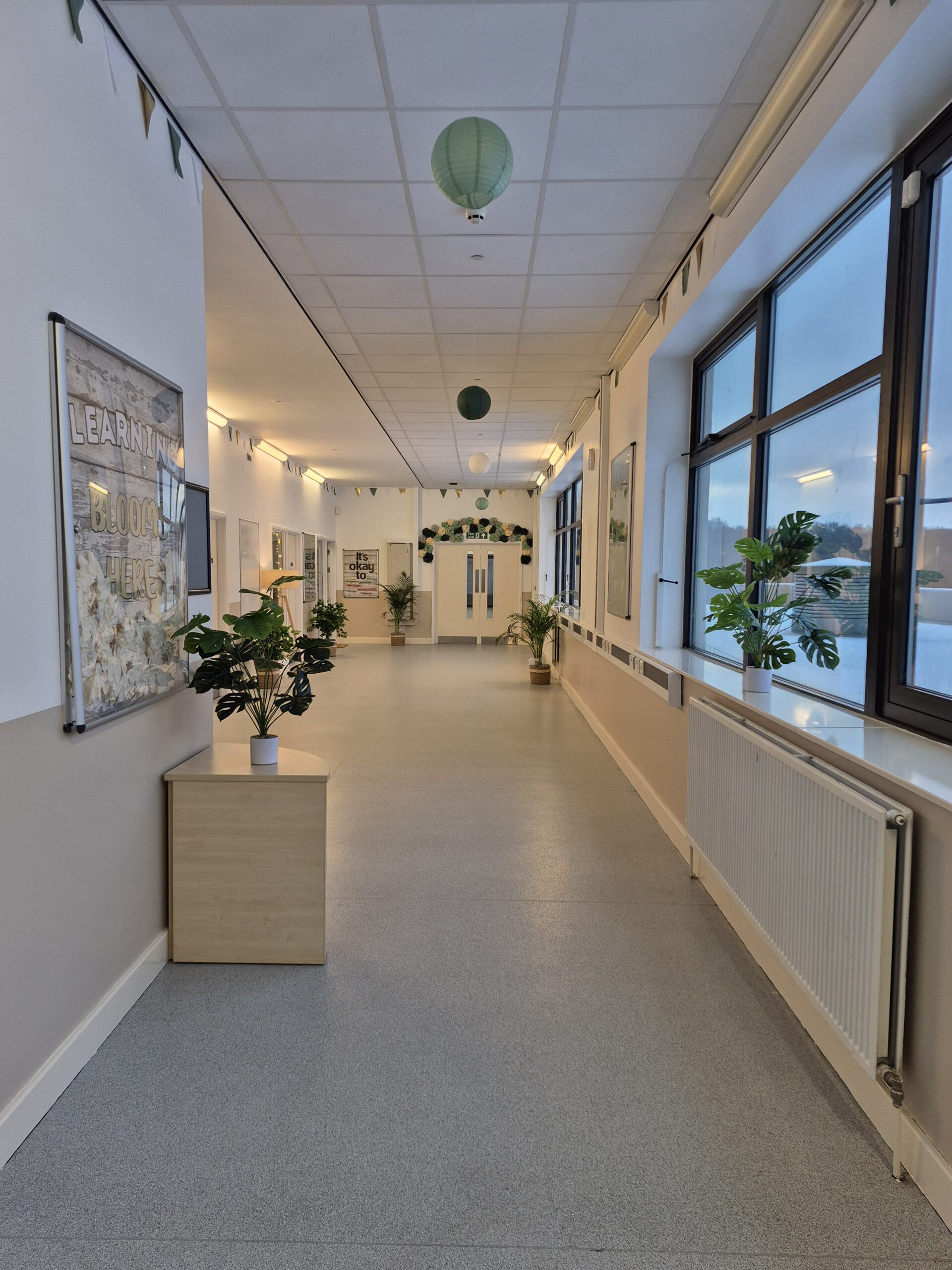
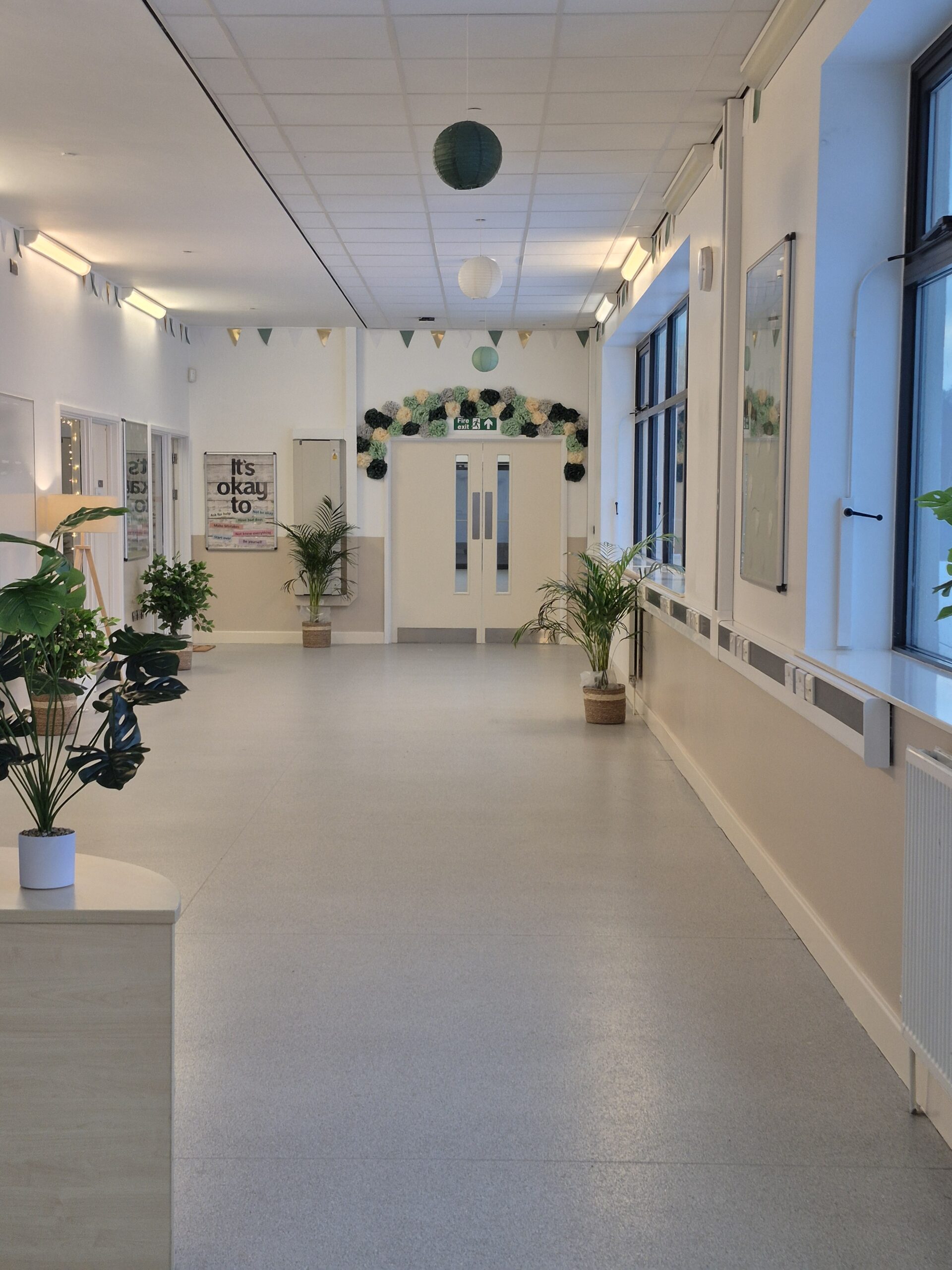
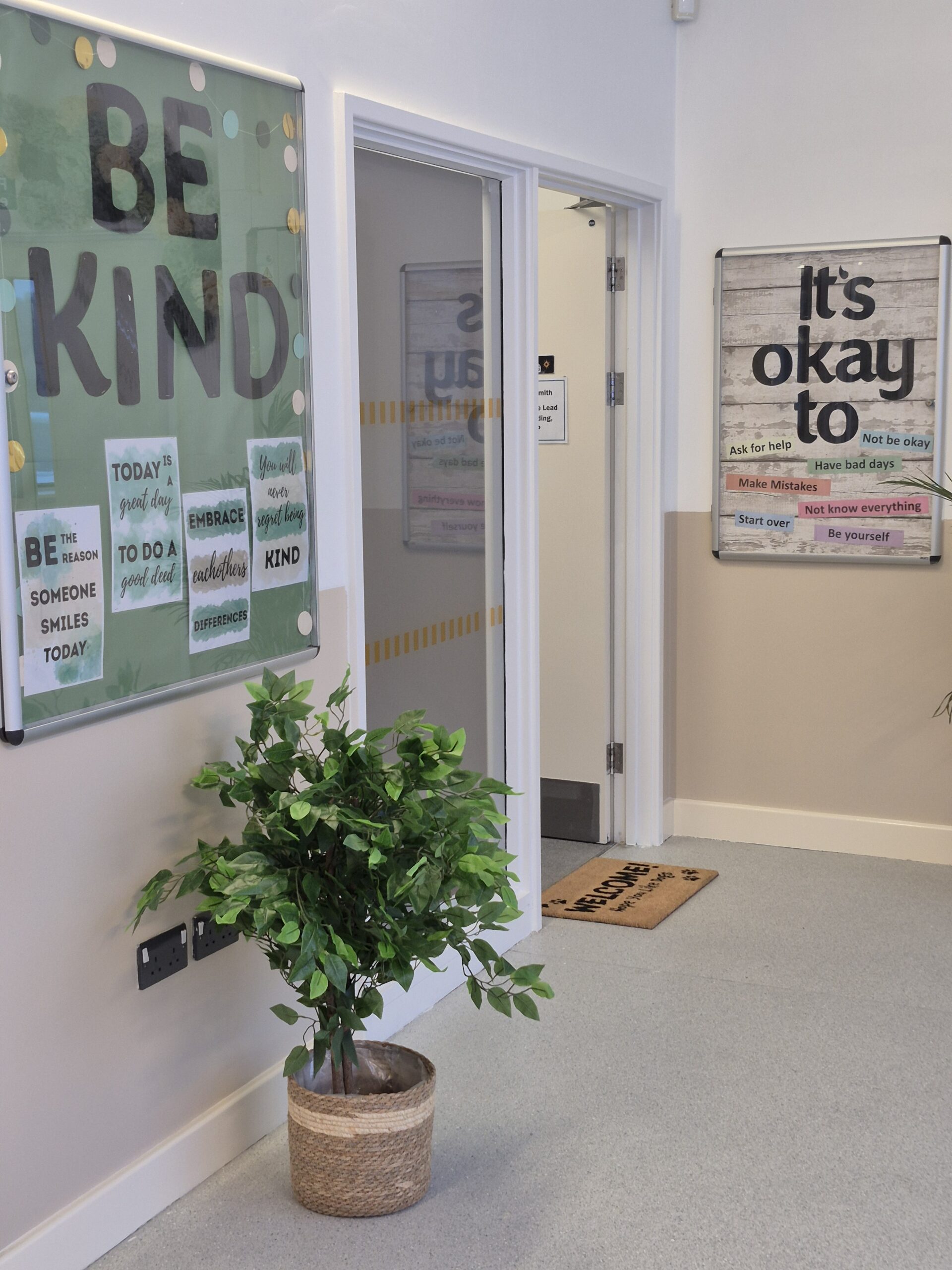
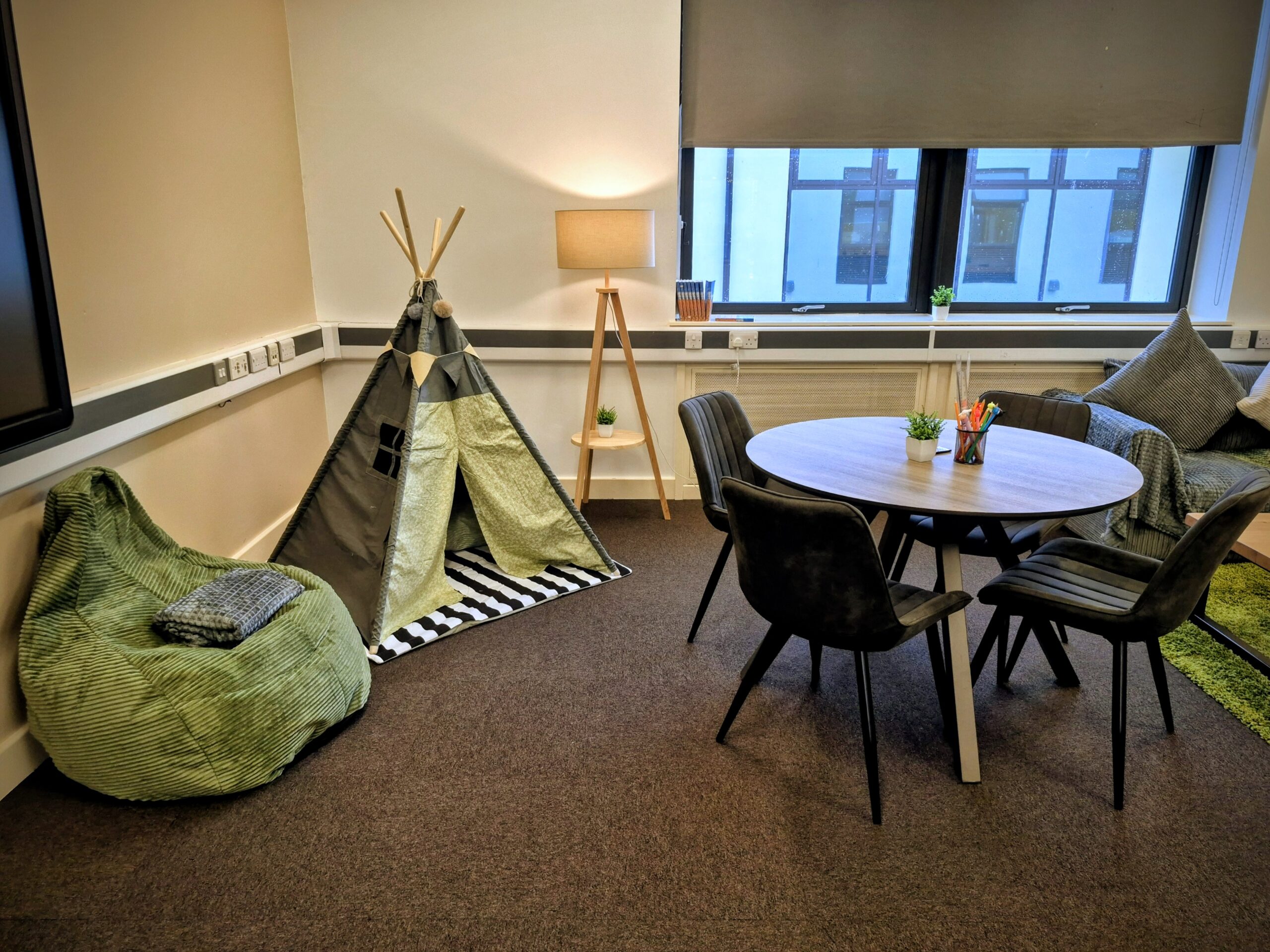
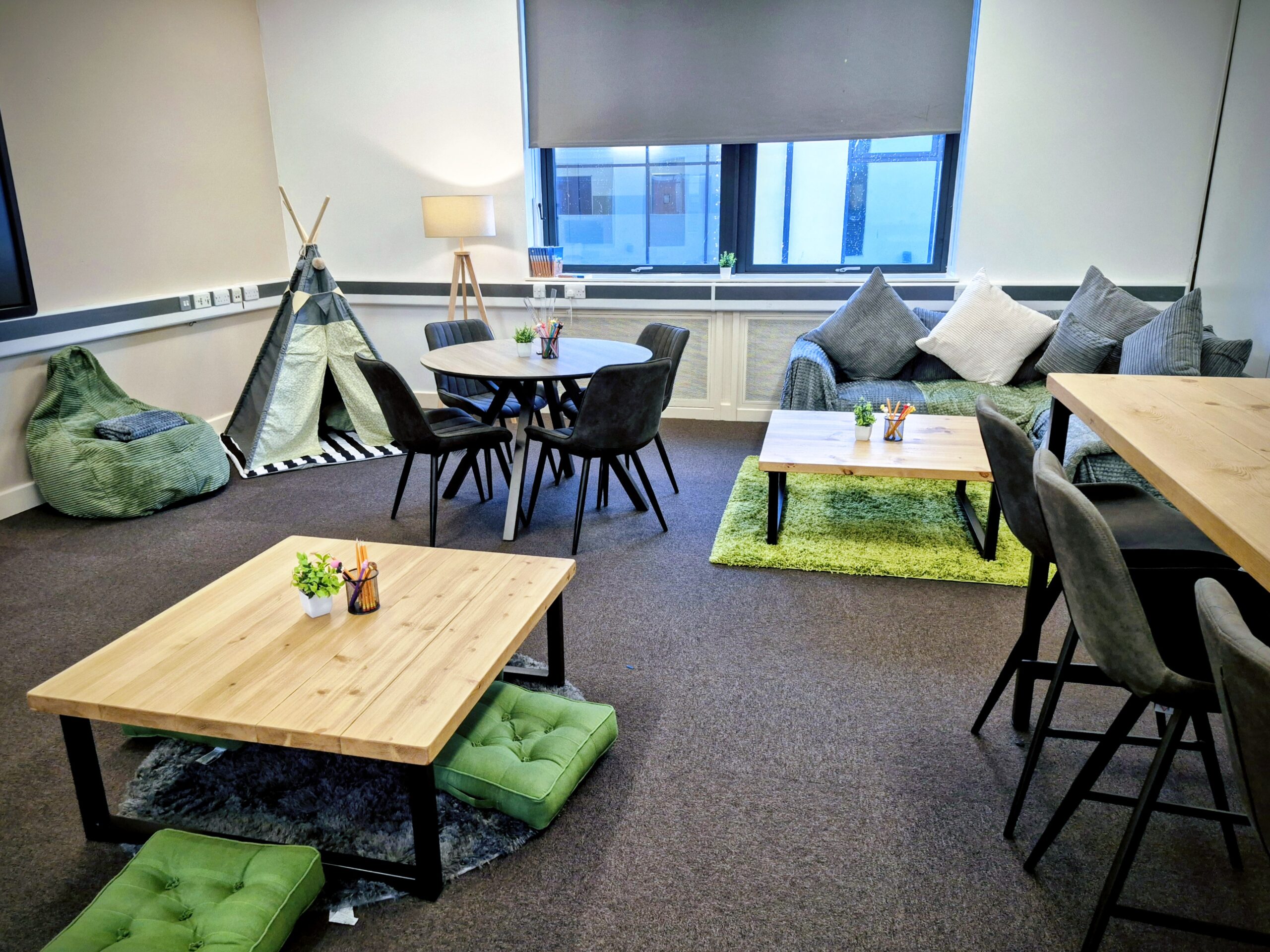
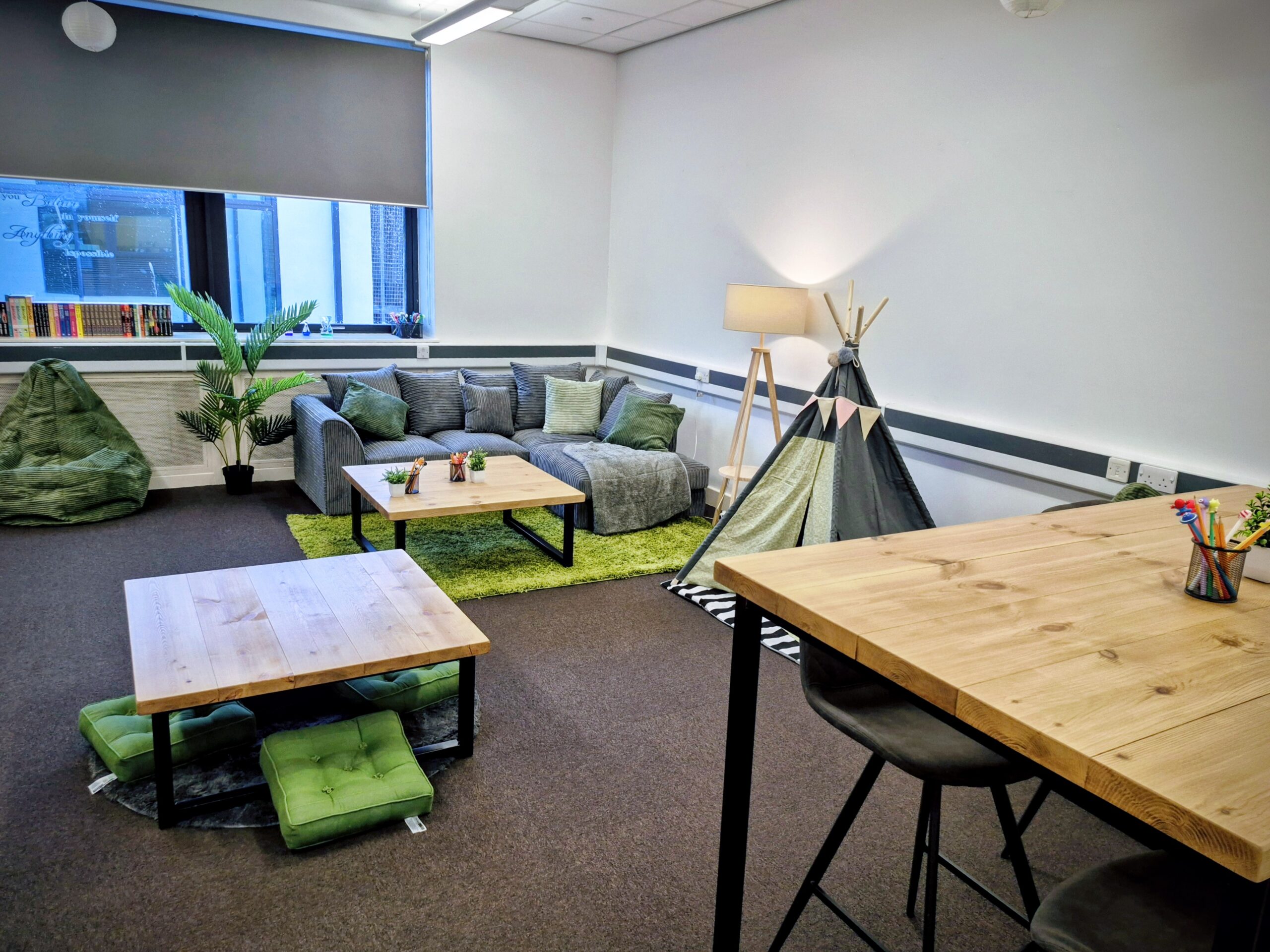
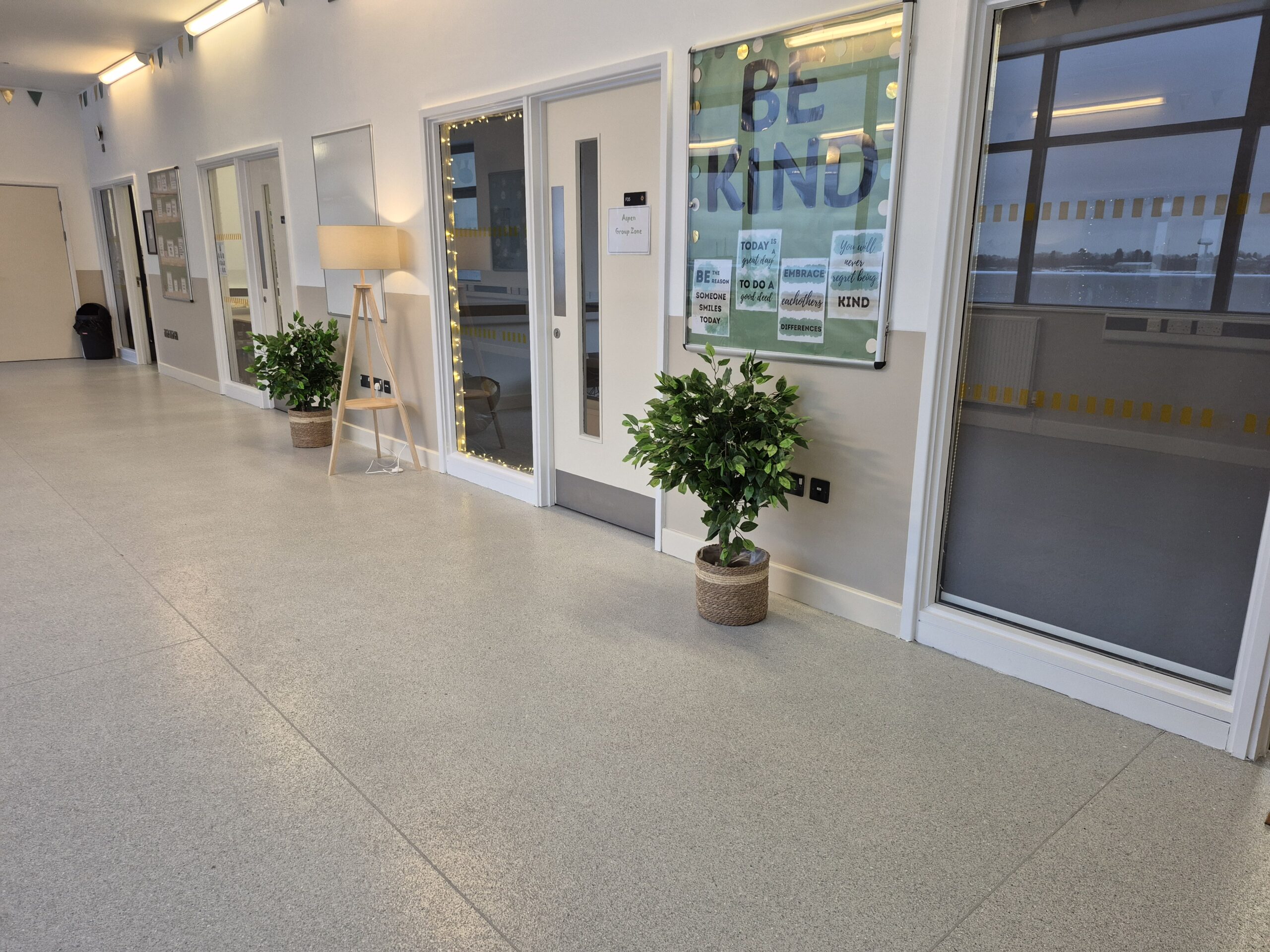
Aspen Hollis will have its own dedicated space, but this is not in a separate building. This ensures there is an area always available for use by Aspen Hollis children and staff (e.g., for small group teaching, but also for them to regulate).
The dedicated space is appropriate to the needs of children with communication difficulties and related behaviours, taking into consideration their needs (sensory for example).
The space has a dedicated sensory area to assist with stress reduction at times of high anxiety. The sensory area, and other calming zones include some or all of the following: a sensory tent, textured cushions, weighted mats/blankets, mood lighting, bubble tubes, and other soft furnishings.
The dedicated space includes individual, personalised, workstations, taking into account child learning profiles. These include visual timetables, written and pictorial signs/labels, first and then routine, work trays, traffic light behaviour system, etc.
Toilets are easily accessible at the bottom of the corridor.
The SEN resource provision is accessed via the main Academy entrance, but start times allow for the main population to already be learning.
Identification
To be eligible for a place at Aspen Hollis, the child will have communication, and interaction needs (an ASD diagnosis or on the waiting list). This will be the primary need as stated in their Education, Health, and Care Plan (EHCP). This means they will have clear and significant difficulties and/or differences in a few of the following areas: language development (expressive and receptive), social interaction and communication skills and understanding, emotional regulation and awareness, modulation of behaviour, flexibility of thought and varied interests, adaptability to changes and transitions, sensory needs.
The child will have difficulty coping with full time inclusion within a mainstream setting but has the potential for graduated inclusion and access to the National Curriculum (NC) through staff with knowledge of ASD with a higher level of specialist adult support and a flexible timetable. This may include withdrawal opportunities when needed and a ‘safe space’ when experiencing high anxiety. Aspen Hollis children may have other areas of difficulty (e.g., learning, mental health) and may be unable to cope with certain areas of the curriculum; therefore, alternatives will need to be considered.
The local authority identifies the learners who will be considered for a place with Alpha Academies Trust (The Discovery Academy) who have an EHCP and consults with the Trust SEND Lead and SENCo.
Children attending Aspen Hollis will be on the roll of the Discovery Academy, the provision is placed in.
Education, Health Care Plans (EHCPs)
Each learner with identified SEN will have an EHCP which has:
Specific, measurable, achievable, relevant, and time-bound (SMART) targets.
Strategies and interventions to support learning.
These strategies and interventions will be delivered within the provision and targets reviewed annually. Staff will meet half termly to adapt targets to short term targets to ensure overall targets are achieved.
Interventions and Support
We will provide a range of interventions and support to meet the diverse needs of our learners, including:
- In-class support: Teaching assistants and specialist staff work alongside classroom teachers to support SEN learners.
- Small group interventions: Targeted support is provided in small groups to address specific needs as applicable within ECHPs.
- Therapeutic support: Access to speech and language therapy, occupational therapy, and counseling as needed and a sensory room for regulation and calm
- The learners will have access to safeguarding staff throughout the day
Partnership with Parents and Caregivers
We recognise the vital role that parents and caregivers play in supporting their children’s education. Our partnership approach includes:
- Regular communication and updates on learner progress via phone calls daily or discussion when the learner is collected. Half termly progress reports.
- Involvement in the development and review of EHCP’s.
- Workshops and training sessions for parents to support learning at home.
- Opportunities for parents to provide feedback and be involved in decision-making processes.
- Visits to the provision at least half termly
Partnerships
Strong links with the local authority services will include Quality Assurance processes termly, which support implementation and impact; visits from the Educational Psychology team to advise staff and visits from other services and practitioners to support individual children needs.
Other partnerships include working with Church Lawton School for Autism part of the Liberty trust for staff CPD.
The Academy Day
Learners begin their day at 9:15 a.m. This is after the main body of the school has entered and gives those children a calmer start to the day. Children will be met at the main entrance and taken for breakfast in the provision by the 4 staff members. The timings of the school day are in line with the mainstream Academy, so children have good opportunities to go into mainstream lessons with support. The day ends for Aspen Hollis children at 3.10pm, which allows children to return to the provision after lessons if they are in them, collect belongings, check their wellbeing, and be escorted to the main entrance of the building to parents if needed.
Breaks and lunch times will be supported with opportunities for non-Aspen Hollis children encouraged to join them. Children will have the chance to join the main population with support or have break/lunchtime within the provision.
Learning Opportunities and Curriculum
Aspen Hollis children could eventually access up to 60% of mainstream lessons (approx. 2/3 lessons per day) and the rest be spent in the provision accessing therapeutic care and intervention as per their EHCP. This will be different and personalised depending on learners’ needs and stage in their transition to Alpha and depending on their successes in managing their provision.
Maths and English will be taught within the provision as core daily. Initial mainstream lessons will be based on individual children’ needs and interests. Some children will not be ready for this, and this is understandable. A slow transition based on needs and interests will be integral to success for each child.
Children in KS4 will be entered for GCSE exams and any vocational qualifications appropriate to them. The driver will be academic outcomes which best suite the children, which may come in the form of AQA Unit awards, Kings Trust qualifications, building up to GCSE’s with the aim of all children getting GCSE English and Maths and a further suite of qualifications which enable them to continue their education in college. Some of these will come from attending mainstream lessons as part of a mainstream class. Any arrangements regarding Aspen Hollis children going into mainstream lessons will be coordinated through the Trust Lead for SEND and the Academy SENCo in liaison with that class teacher and Head of department.
Class teachers will be responsible for including Aspen Hollis children in their mainstream classes, and TA support may not be required. All staff will have a calm and consistent approach using PACE and a trauma informed approach to managing and supporting the children from the provision.
Learners will have opportunities to take part in experience days where they visit places to experience enrichment. This will include museums, farms, beaches, and other cultural experiences, and this will enhance their learning and cultural capital. Again, this will not be mandatory but will be an offer where gradual participation will lead to increased success.
Children attending will be taught in line with their ability, individual needs, and the provision outlined in their EHCP. No single approach or method will be used, but staff will consider a variety of evidence-informed teaching approaches and methods, providing the opportunity to access the whole national curriculum. To deliver this learning:
- Staff will explain the purpose of learning tasks, providing clear expectations about outcomes and time frames, appreciating the importance of these measures, especially Aspen Hollis children.
- Children may be taught in the dedicated provision space individually, in small groups and in their mainstream class (supported by a Aspen Hollis staff member if needed). There will be two classes, one for KS3 and one for KS4.
- Aspen Hollis children may be withdrawn from areas of the national curriculum where it causes significant difficulty or stress to the child. This would be in consultation with the child and their parents.
- Aspen Hollis children’s Termly Support Plans will contain targets with a focus on developing social communication and interaction skills. Children will be assessed every term to monitor the impact of progress. Aspen Hollis Children will be assessed initially using a range of tools to assess gaps in knowledge and social emotional needs.
- Aspen Hollis children will have access to teaching with a strong visual emphasis and plenty of ICT opportunities.
Staff Roles
Teachers take on the operational role of the SENCO for the children supported by Aspen Hollis. This includes supporting Annual Reviews, Team Around the Family (TAF) meetings, attend Child in Need meetings, liaising with NHS colleagues such as physios, occupational therapists, speech, and language therapists and CAMHS professionals. They liaise with and advise subject specialist teachers and senior leaders, delivering aspects of detailed provision such as communication groups and literacy and life skills teaching, depending on the needs of the cohort. They are also responsible for line management of support staff.
TAs provide support in lessons and in Aspen Hollis, under the direction and supervision of teachers.
The mainstream SENCO is responsible for all children in Aspen Hollis and supports the teachers running the provision to ensure children are achieving outcomes, milestones, and success.
The mainstream Assistant Principal for SEND makes any daily decisions which may impact the provision’s smooth running. This may include staffing, cover, suspensions, transitions, and home visits.
The Trust Executive Lead co-ordinates provision, leads on curriculum, ensures policy is written and followed and that that liaison with the Local Authority is in place and proactive, reporting to Trust Board and to the local Authority regularly on successes and areas for development, termly. The TEL will also line manage the staff in the provision.
Training and Professional Development
Continuous professional development is essential to ensure staff are equipped to support SEN learners. Our training program includes:
- Regular workshops on SEN strategies and interventions for ALL staff
- Autism specialist training and sensory needs from Church Lawton Special School
- Opportunities for staff to attend external training and conferences.
- Access to online resources and courses.
- Collaborative learning opportunities within the school.
Aspen Hollis staff in addition to above will receive:
- Safeguarding level 2/3 training for all staff
- ACE’s and Trauma informed practices
- Emotional regulation and the anxiety five-point scale training
- Comic strip conversations and social stories training
- Autism training
- Any other training applicable to individual children
Relationships
The fundamental basics around managing behaviour at Aspen Hollis is based on Relational Approaches and restorative practice. Staff will be well trained in Adverse Childhood Experiences; Trauma and Attachment and mental health.
Role of the Staff – the staff will:
- Understand that behaviour is a form of communication
- Teach a stimulating curriculum/ thematic learning
- Ensure that lesson objectives and work requirements are clearly set out
- Start lessons on time and end on time with a structured meet and greet to the start of the lesson.
- Ensure that learners are emotionally and physically safe making referrals where needed.
- Make explicit what behaviour is expected of learners and what is not.
- Be emotionally resilient and can remain child-centred in the face of challenging behaviour.
- Attend and apply CPD on child development, attachment, trauma, and other relevant key theories
- Liaise with parents’/carers/ weekly parental contact and report writing
- Put sanctions and rewards into place which are applicable to actions
- Meet with the team daily to discuss the day and be solution focussed
- Liaise with mainstream SENCO
- Liaise with the Academy Mental Health Lead where needed
- Liaise with Trust Lead, SENCO, and SEND SLT lead for behaviour regarding any suspensions
- Raise with the Executive Trust Lead any concerns where resolution has not been found
- Provide excellent transition and induction pathways and support, where the presenting situation is assessed with clarity around the CYP pathway and life narrative.
- Celebrate positive days with phone calls home
- Use Arbor to record behaviours and communicate this with parents
- Maintain positive relationships with learners at all times, using appropriate sense of humour, kindness, understanding, fairness, and positive relational practices
- Nurture learners, ensuring basic needs are met prior to learning
- Use ‘Positive Handling’ where learners present a danger to the building, themselves, or other members of the provision.
Children will:
- Endeavour to be on time (9.15am) or at a time agreed between parents and school
- Follow the mainstream expectations of not having anything on them that should not be
- Be mindful of language and use appropriate language
- Keep hands, feet, objects, and individual comments to themselves
- Look after their provision, displays and equipment
- Be kind to each other and their staff
- Stay in the provision when asked to do so
Role of the Parents/Carers – the parent/carer will:
- Ensure that their child(ren) attend the provision.
- Notify the provision of any factors which may affect the behaviours of their child.
- Ensure that their child is dressed appropriately.
- Contact the provision if their child is absent or late.
- Understand that we are working together in the best interests of their child.
Role of Principal
- To positively promote outcomes
- To celebrate achievements
- To hold the SEN team to account on outcomes and progress
- Meet with the Aspen Hollis leaders regularly
Monitoring and Evaluation
We continuously monitor and evaluate our SEN resource provision to ensure it meets the evolving needs of our learners. This includes:
- Regular review of EHCPs and learner progress.
- Feedback from learners, parents, and staff.
- Termly audits of SEN provision and practice via the local authority and Trust Lead
- Updating policies and practices based on the latest research and best practices.
Conclusion
The Alpha Academies Trust SEN Resourced Provision is committed to providing an inclusive, supportive, and effective educational experience for all learners. Through our comprehensive policies and practices, we strive to ensure that every learner with special educational needs can thrive and succeed.